Small Changes That Save Big Money
Discover simple everyday changes that can save you hundreds or even thousands of dollars each year without making major lifestyle sacrifices.

Key takeaway
Discover simple everyday changes that can save you hundreds or even thousands of dollars each year without making major lifestyle sacrifices.
Some links are affiliate links. If you sign up we may earn a commission at no extra cost to you. See our disclosure. This is educational content, not financial advice.
Many people think saving money means big sacrifices: no holidays, no entertainment, an extremely frugal life. Most lasting improvement comes from small habits you keep up.
A few dollars saved a day doesn't look like much, but over weeks, months and years it grows into a real amount. Most of these changes take very little effort once they're part of your routine. You can still enjoy life; the point is to spend on purpose and drop expenses that don't add much.
Here are practical changes that are easy to start and make a noticeable difference over time.
Quick answer
You don't have to change your whole lifestyle overnight. Improving one habit a month adds up to big savings over the long run. Good places to start:
- Track your spending regularly.
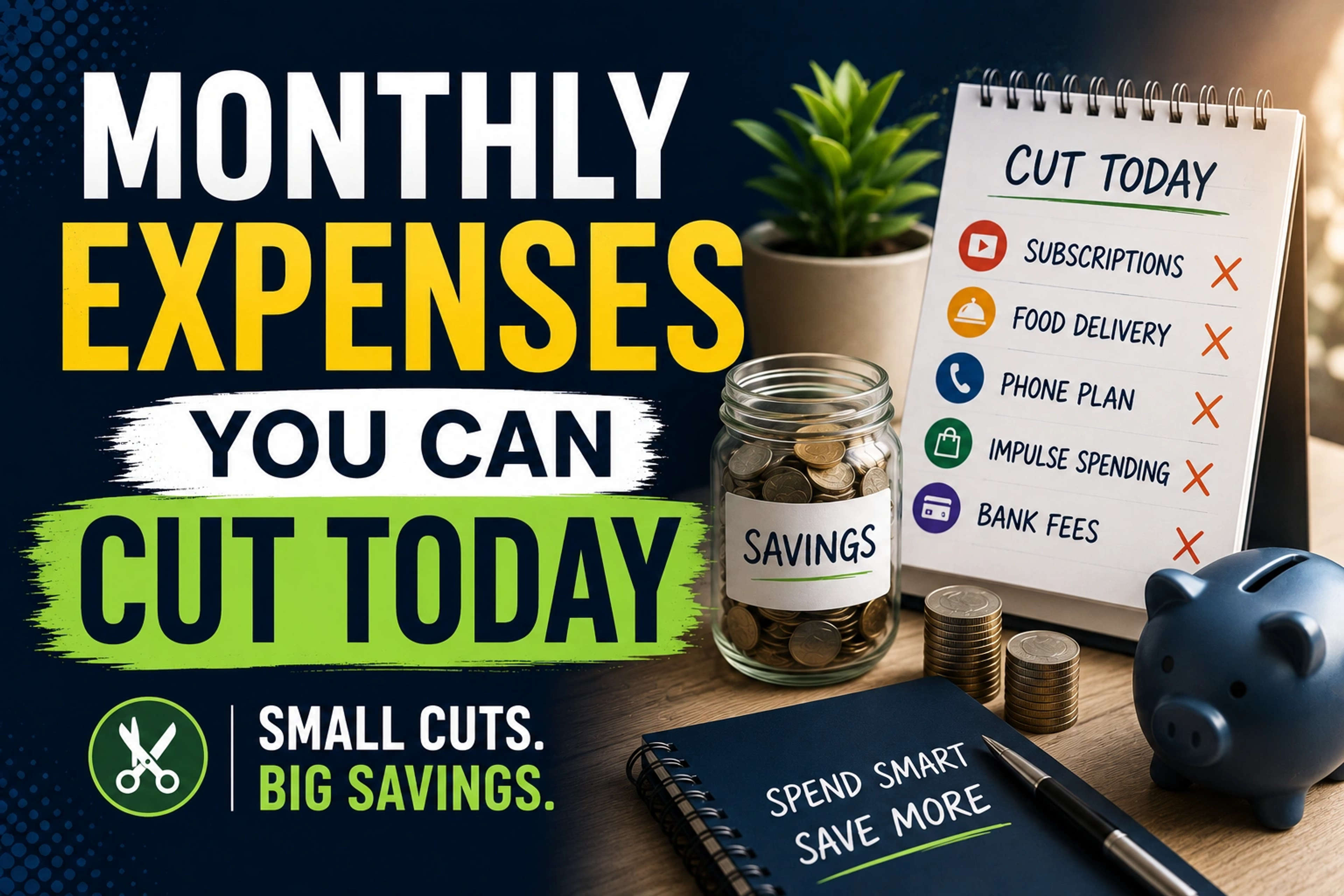
- Review your subscriptions every few months.
- Plan purchases instead of buying on impulse.
- Waste less food.
- Compare prices before big purchases.
- Automate your savings.
1. Plan your meals before grocery shopping
Walking into a grocery store without a plan usually means buying things you didn't need. A simple weekly meal plan helps you:
- Buy only what you need.
- Waste less food.
- Avoid last-minute takeout.
- Save both time and money.
Writing a shopping list and sticking to it is one of the easiest ways to lower your grocery bill.
2. Wait before buying things you don't need
Impulse buys feel exciting in the moment and lose their appeal quickly. Before buying something you didn't plan for, give yourself at least 24 hours. For bigger purchases, wait a few days. Often you'll find you don't want it any more once the excitement wears off.
3. Cancel unused subscriptions
Streaming platforms, fitness apps, cloud storage and premium memberships can drain your budget without you noticing. Every few months, go through your recurring payments and ask:
- Do I still use this?
- Is it worth what I pay?
- Would I sign up again today?
If the answer is no, cancel it.
4. Make coffee at home more often
Buying coffee now and then won't ruin you. Buying it every workday adds up. Making it at home most days and still visiting a café occasionally is a reasonable balance between saving money and keeping a small treat.
5. Save first, every month
Many people save whatever is left at the end of the month. It works better the other way round: save first. Even a small automatic transfer to a savings account each payday builds the habit, and you can raise the amount as your income grows.
6. Compare prices before big purchases
Big purchases deserve a little research. Before buying electronics, appliances, furniture or insurance, compare:
- Prices
- Features
- Reviews
- Warranties
An extra 20 minutes of research can sometimes save you hundreds of dollars.
7. Order less food delivery
Delivery is convenient, and you pay for it. Delivery fees, service charges, tips and higher menu prices can make each order much more expensive than cooking at home. Try keeping delivery for special occasions rather than making it a habit.
8. Use less energy
Small changes around the house can lower your utility bills over time, for example:
- Turning off lights you don't need.
- Unplugging electronics you aren't using.
- Using energy-efficient bulbs.
- Running full loads in the dishwasher or washing machine.
These habits take very little effort.
9. Review your insurance every year
What you need from insurance changes over time. Comparing quotes and reviewing your cover once a year can turn up better value without losing protection. Don't just chase the lowest premium, though; make sure the cover still meets your needs.
10. Pay credit card balances in full
Credit card interest is one of the easiest costs to avoid. Whenever you can, pay your balance in full by the due date. Then your money goes toward your own goals instead of borrowing costs.
11. Buy quality when it makes sense
The cheapest option isn't always cheapest in the long run. Things that wear out quickly need replacing more often, so for items you use regularly, paying a little more for durability can save money over time.
12. Review your budget every month
A budget isn't something you make once and forget. Your income, expenses and priorities change. A monthly review helps you spot:
- New money leaks.
- Areas where you're overspending.
- Chances to save more.
Small, regular adjustments keep your finances on track.
Common mistakes to avoid
A few common mistakes can undo good intentions:
- Trying to change every habit at once.
- Setting unrealistic savings goals.
- Ignoring small recurring expenses.
- Giving up after one expensive month.
- Comparing your progress with other people's.
Progress with money is usually gradual.
Key takeaways
- Small financial habits often have the biggest long-term impact.
- Consistency matters more than perfection.
- Cut recurring expenses before making major sacrifices.
- Automating your savings makes building wealth easier.
- Review your spending regularly to find new ways to save.
Final thoughts
You don't always need to earn more or change your lifestyle dramatically to save money. Cooking at home, skipping impulse buys, reviewing subscriptions and automating your savings each look minor on their own. Together they strengthen your finances, reduce money stress and help you reach your goals faster.
Don't try to do everything today. Pick one or two habits, make them part of your routine, and build from there.