Everyday Habits That Waste Your Money
Small spending habits can quietly drain your budget. Learn 15 everyday money-wasting habits and practical ways to stop them and save more.

Key takeaway
Small spending habits can quietly drain your budget. Learn 15 everyday money-wasting habits and practical ways to stop them and save more.
Some links are affiliate links. If you sign up we may earn a commission at no extra cost to you. See our disclosure. This is educational content, not financial advice.
Most people don't lose money through one big financial mistake. They lose it through dozens of small habits repeated every day.
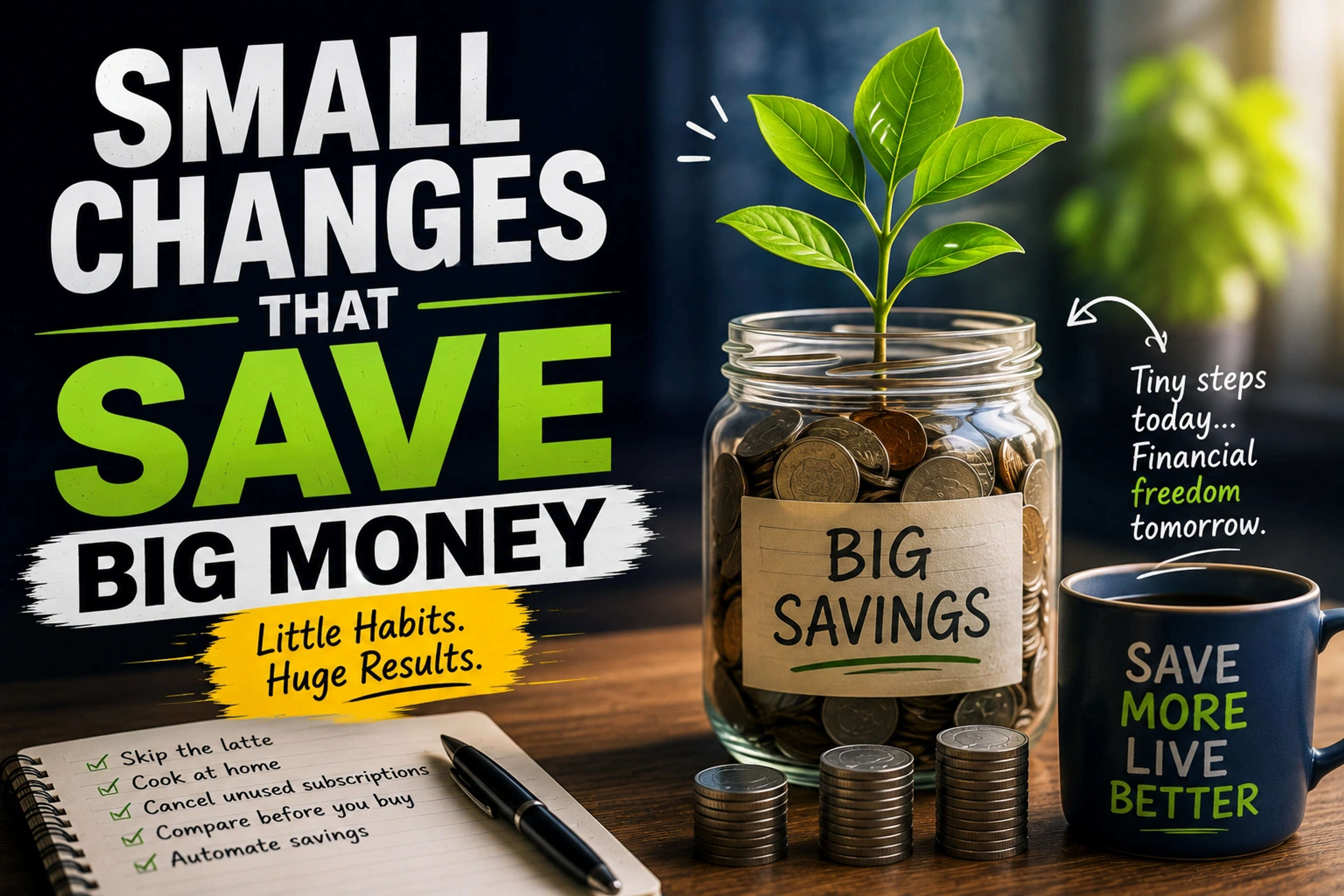
Buying coffee on impulse, paying for subscriptions you don't use or leaving the lights on doesn't feel expensive at the time. Over weeks, months and years, though, these small costs can add up to thousands of dollars. You don't need to stop enjoying life to save money; often a few better choices free up cash without making you feel deprived.
Here are 15 everyday habits that waste money, and practical ways to replace them.
Quick answer
Building wealth isn't only about earning more. It also means stopping small expenses from turning into long-term leaks. These are the habits that cost the most, and what to do instead:
| Habit | Potential Cost | Better Alternative |
|---|---|---|
| Impulse shopping | High | Wait 24 hours before buying |
| Unused subscriptions | Medium | Cancel or downgrade |
| Eating out too often | High | Cook more meals at home |
| Grocery shopping without a list | Medium | Plan purchases in advance |
| Paying credit card interest | High | Pay the full balance when possible |
| Wasting food | Medium | Plan meals and store food properly |
| Buying because of discounts | Medium | Buy only what you actually need |
| Ignoring energy usage | Medium | Reduce unnecessary electricity use |
1. Buying things on impulse
Impulse purchases are one of the main reasons budgets fall apart. Whether it's an online sale, a social media ad or something that catches your eye in a shop, buying without a plan often leads to regret. The satisfaction is usually brief, and the money could have gone toward something that mattered more.
To break the habit:
- Wait at least 24 hours before buying anything non-essential.
- Remove saved payment methods from shopping websites.
- Keep a monthly wish list instead of buying straight away.
2. Paying for subscriptions you don't use
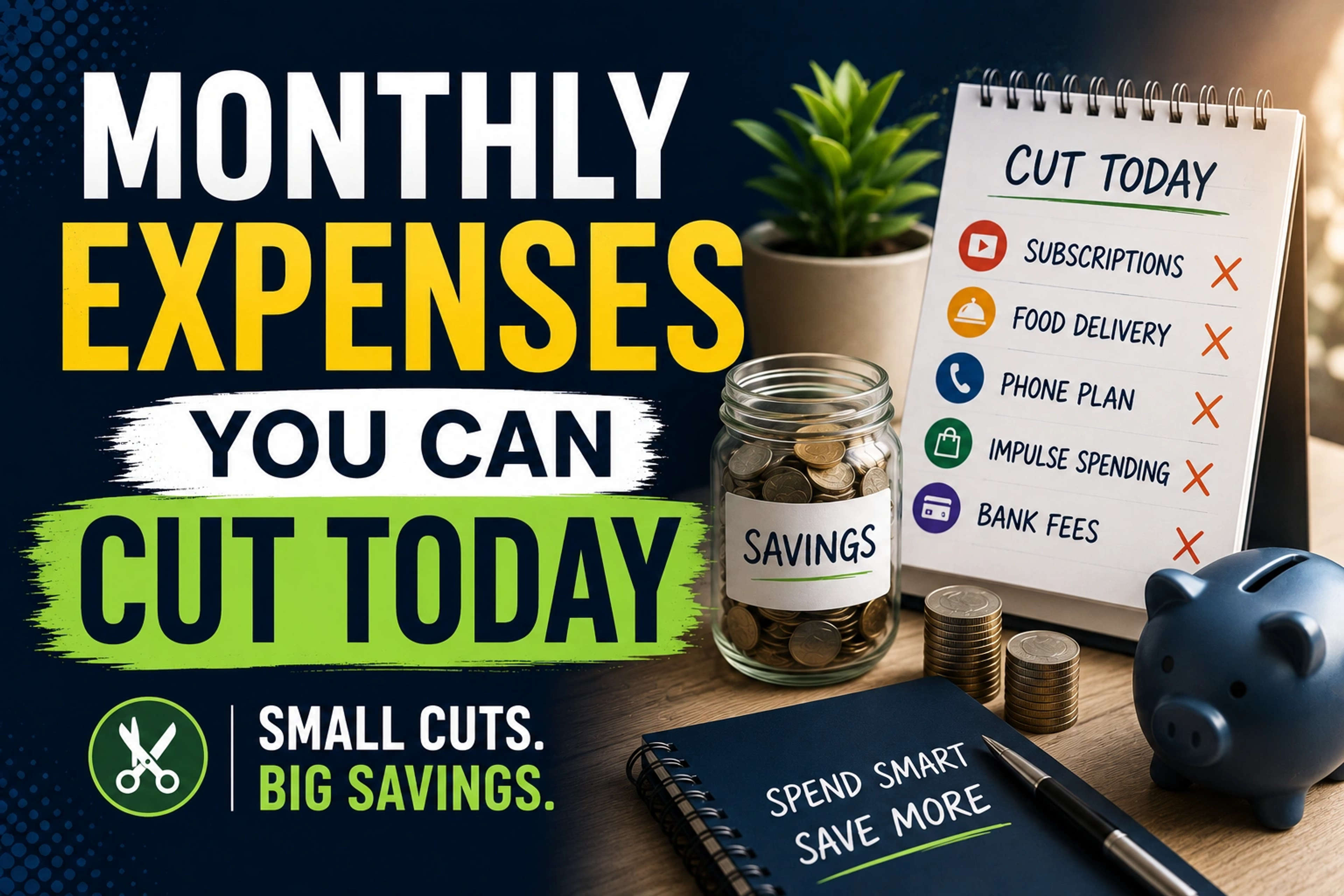
Streaming services, fitness apps, cloud storage, software and premium memberships are easy to forget once you've signed up. A few small monthly subscriptions don't look like much individually, but together they become a noticeable expense. Check your bank statement every month and cancel anything you haven't used recently.
3. Eating out more than you planned
Ordering food is convenient, but restaurant meals and delivery fees usually cost much more than cooking at home. Swapping even a few restaurant meals a week for home cooking can make a noticeable difference.
To break the habit:
- Plan your meals for the week.
- Make lunch at home.
- Keep restaurants for special occasions rather than everyday convenience.
4. Grocery shopping without a list
Walking into a supermarket without a list usually means buying things you didn't need. Shops are deliberately laid out to encourage impulse buying through product placement and promotions. Write a list before you leave home and stick to it as closely as you can.
5. Ignoring small daily expenses
Many people watch their big purchases and ignore everyday spending. Coffee, snacks, convenience store runs, parking fees and small online orders seem trivial one at a time but can add up to a lot each month. Track every expense for one week; most people are surprised by how much the small stuff costs.
6. Paying credit card interest
Carrying a credit card balance from month to month can be one of the most expensive habits you have, because the interest takes money you could have saved or invested. Whenever possible, pay your balance in full before interest is charged.
7. Buying something because it's on sale
A discount doesn't make something a good buy. An item you hadn't planned to buy still costs money at 50% off. Ask yourself whether you'd still buy it if it weren't on sale. If not, it's probably not saving you anything.
8. Wasting food
Food waste is one of the most overlooked household costs. Throwing away expired groceries means paying for food you never ate.
To break the habit:
- Plan meals before you shop.
- Store food properly.
- Use older ingredients first.
- Freeze leftovers when you can.
9. Not comparing prices
Buying the first product you see can cost a lot more than spending a few minutes comparing options, because prices can differ widely between shops and websites. Before bigger purchases, compare prices and look beyond the first retailer you find.
10. Ignoring energy use
Leaving lights on, running appliances when you don't need to and using inefficient settings slowly push up your utility bills. Each habit is small, but over a year the total can be significant.
To break the habit:
- Turn off lights when you leave a room.
- Unplug devices you aren't using when it's practical.
- Choose energy-efficient appliances when you replace old ones.
11. Paying for convenience too often
Convenience usually costs extra, for example:
- Food delivery fees
- Express shipping
- Convenience store prices
- Ride-sharing for short trips
These are fine now and then but expensive if you use them all the time. Before you pay for convenience, ask whether it's worth the extra cost.
12. Forgetting to budget for small purchases
People often budget for rent, groceries and transport but forget entertainment, gifts, hobbies or coffee, and those categories can quietly grow beyond what you expected. Include discretionary spending in your monthly budget.
13. Replacing instead of repairing
Not everything that breaks needs replacing right away. A simple repair can extend the life of electronics, clothing, furniture and household items. Compare the cost of repairing with the cost of replacing before you decide.
14. Shopping when you're bored
Many people browse online shops because they're bored rather than because they need anything, and that makes impulse buys more likely. Fill the time with something else, such as reading, exercise or learning a new skill.
15. Never reviewing your spending
If you never look at where your money goes, it's hard to spot the habits eating into your savings. At the end of each month, review your spending and pick one habit to improve next month. Small changes add up over time.
Key takeaways
- Small daily expenses can turn into large yearly costs.
- Planning purchases cuts unnecessary spending.
- A budget helps you find financial leaks.
- Don't buy something just because it's discounted.
- Review subscriptions and monthly expenses regularly.
- Saving money is usually about better habits rather than drastic lifestyle changes.
Final thoughts
You don't always need a higher income to improve your finances. Often it starts with noticing the small habits that chip away at your savings every month.
You don't have to change everything overnight. Pick one or two habits, stick with the changes and build from there. Over time they'll help you save more and worry less about money. Good financial habits come from consistency, not perfection.
Frequently asked questions
What's the biggest everyday money-wasting habit?
Impulse buying is one of the most common habits because it encourages spending without planning.
How can I reduce unnecessary spending?
Track your expenses, create a budget, plan purchases, and review subscriptions regularly.
Is it okay to spend money on entertainment?
Absolutely. The goal isn't to eliminate enjoyable spending but to make intentional decisions that fit within your budget.
How often should I review my spending?
A monthly review is enough for most people to identify trends and adjust their budget if needed.